
When we arrived in Chiang Mai in April for what would become a three-and-a-half-week stay, I honestly didn’t know what to expect. Somewhere along the way, “Chiang Mai” had simply become one of those names that stuck in my head. People said to go. I’d always wanted to see Thailand. Beyond that, I knew very little, and I’m almost glad I didn’t know more.
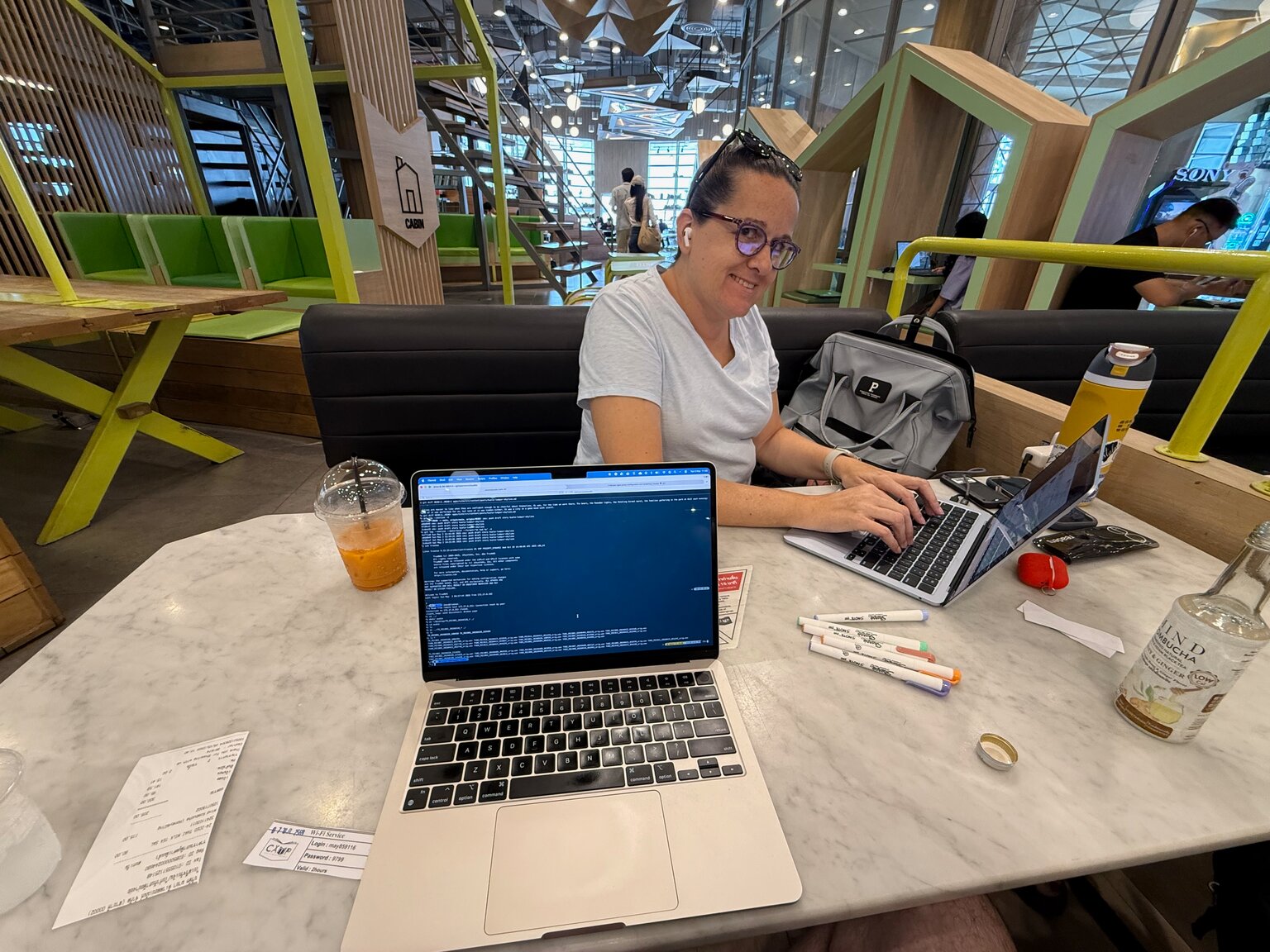
After Malaysia the weather felt hot and muggy, but not overwhelming. We arrived just after Songkran and after the worst of the smoky season had cleared. We settled into an Airbnb between Nimman and the Old City and quickly developed routines. Laundry. Grocery runs. Making sure we had drinking water. Ordering food with Grab. Coworking sessions at Maya Mall. An iced Thai tea every afternoon. Working on our projects. Just living life.
And that was what we loved most about Chiang Mai. It never felt rushed.
Settling Into Daily Life
Travel this slow eventually turns the destination into everyday life. Chiang Mai made that transition easy.
Most mornings started slowly. We walked everywhere we could, called a Grab when we needed to, and often spent part of the day working from the coworking space in Maya Mall. Nimman One and the surrounding neighborhood became familiar territory. The routines arrived on their own, and somehow even errands felt enjoyable.
John had worried that Chiang Mai might feel too small. Instead, he found a city with all the energy and density he enjoys in Asia, but without the frantic pace. Chiang Mai felt relaxed without ever feeling boring.
Wandering Through Temples
In the Old City, plans rarely stayed plans for long.
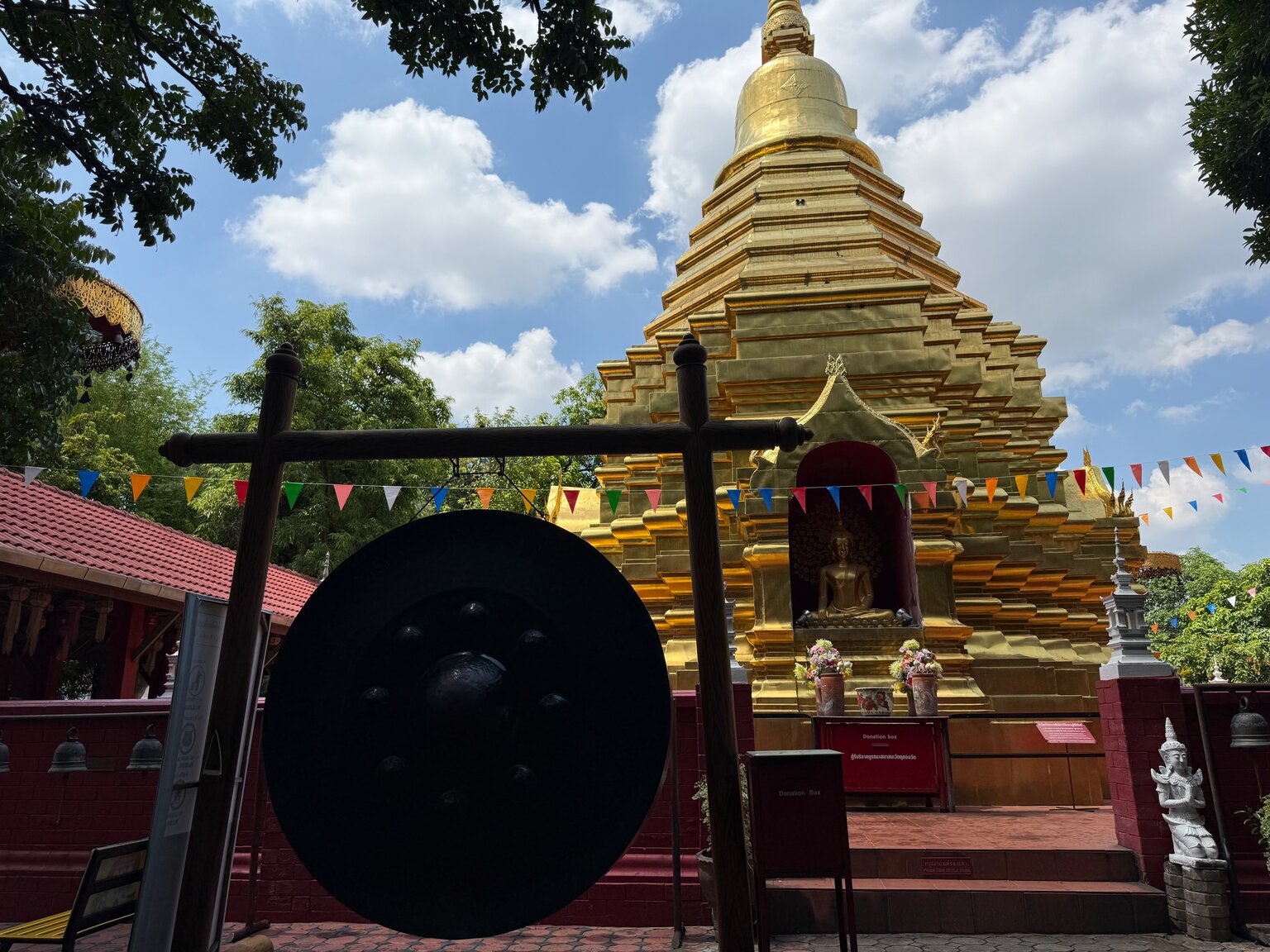
I might set out with one temple in mind and then find another around the next corner. And another after that. The sheer number of temples is staggering. Even after three and a half weeks, I suspect we barely saw five percent of them.
Wat Chet Yot stood out with its Indian influences and connection to the old Lanna Kingdom. Wat Pha Bong was memorable not only for its peaceful atmosphere but also for the unexpectedly humorous quotes displayed on televisions around the grounds. Then there were the iconic temples everyone knows: Wat Lok Moli, Wat Phra Singh, Wat Chedi Luang, and Wat Phra That Doi Suthep.
Picking one was impossible. Each temple had its own stories, architecture, and personality. The joy wasn’t in checking famous names off a list. It was in discovering them one by one.
Sunrise at Doi Suthep
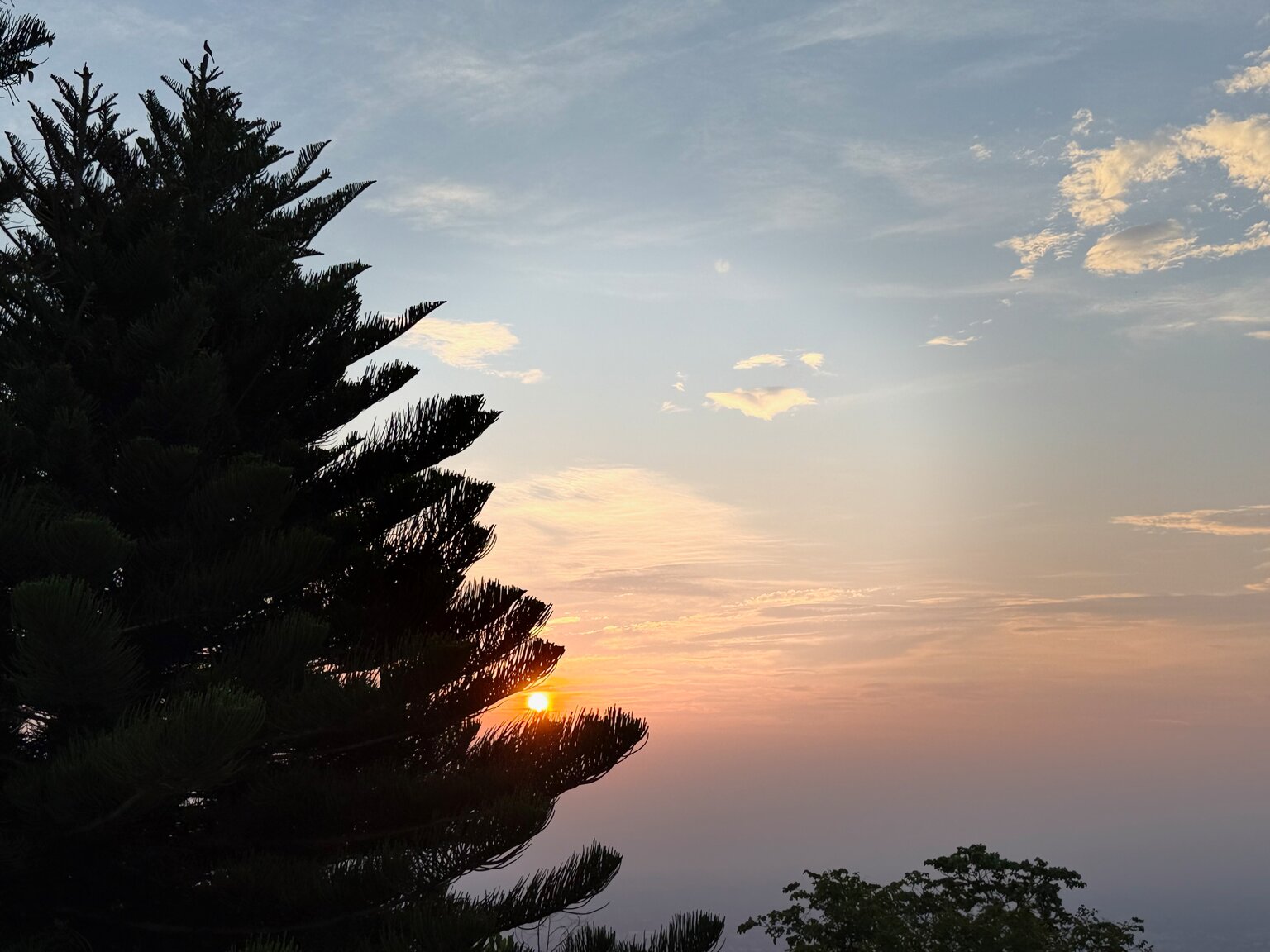
The highlight of the entire stay was an early morning tour led by a former Buddhist monk.
Starting before sunrise, I made my way to Doi Suthep while much of Chiang Mai was still asleep. From the mountainside I watched the city wake up, but what made it special was the chance to ask questions, learn about Buddhism, and take part in the morning almsgiving.
It wasn’t just another sightseeing stop. I came away with an understanding of Thai life and traditions that stayed with me long after.
Discovering the Lanna Kingdom
Before arriving, I knew almost nothing about Northern Thailand’s history.
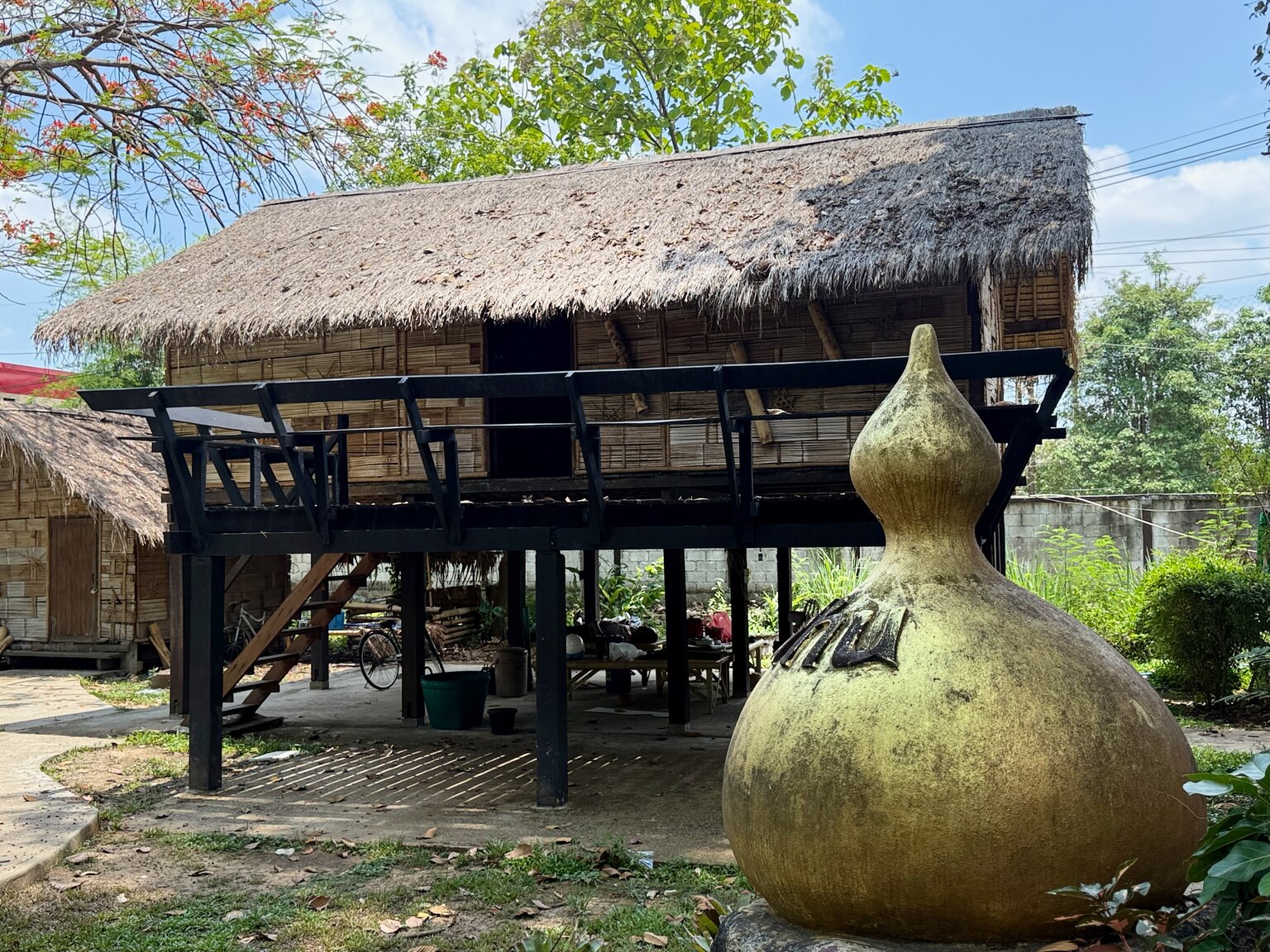
I had no idea that Chiang Mai had once been the capital of the Lanna Kingdom, with its own architecture, traditions, and culture.
The more museums I explored and the more I learned about the region’s hill tribes and traditional houses, the further in it pulled me. The temples themselves reflected that heritage. Each one felt slightly different, with details and stories that made me stop and linger.
I loved simply walking, noticing things, and learning as I went.
Eat, Eat, Eat
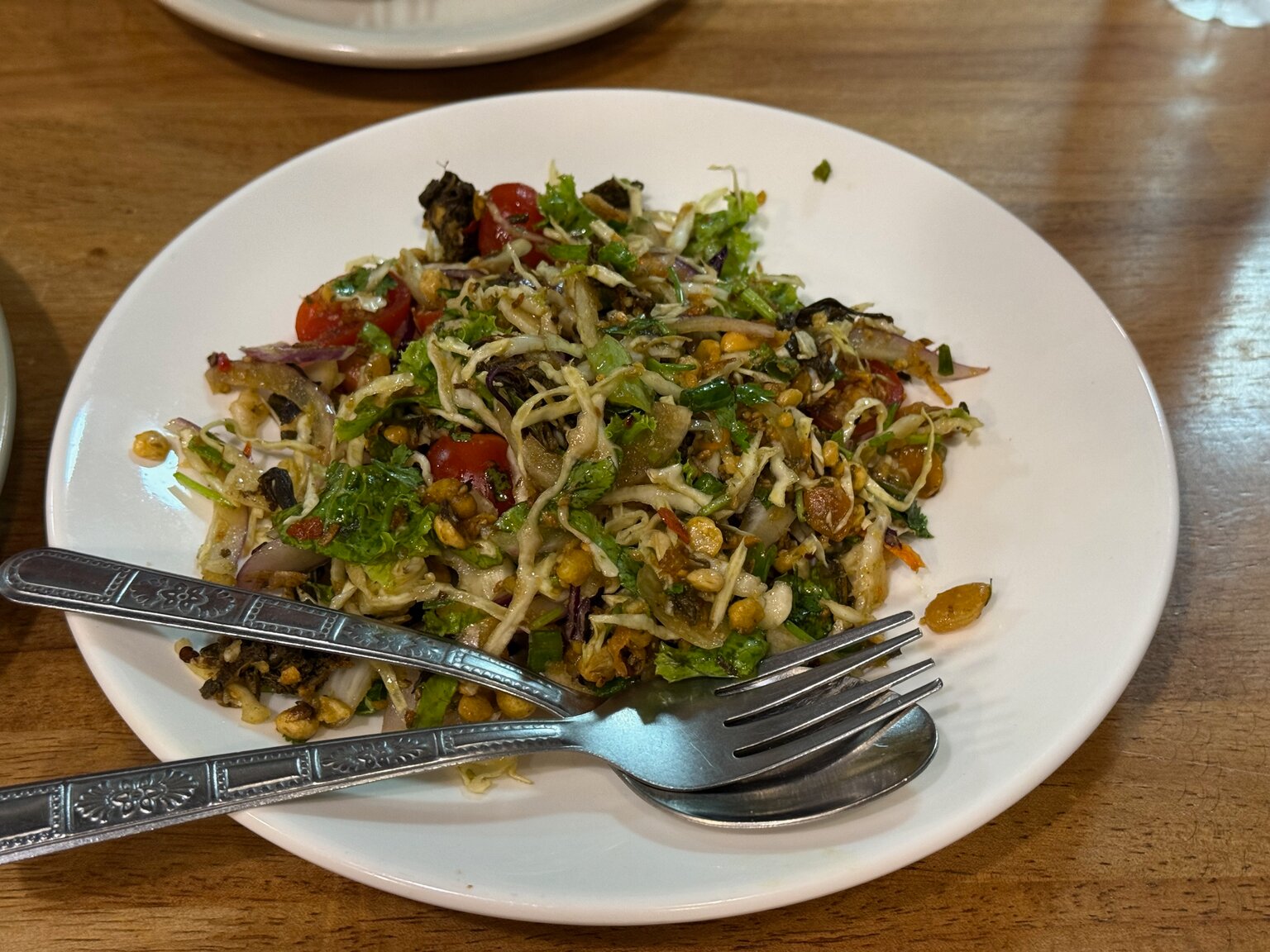
A food tour early in our stay changed everything.
We learned where to eat, and more usefully, what to order. Vegetarian Shan food won us over almost immediately. The fermented tea leaf salad and Shan pizza were dishes I looked forward to again and again.
John happily embraced pad kra pao and seemingly every pork dish available. I somehow became obsessed with eggs on rice, in every form I could find. And every afternoon, without fail, we stopped for iced Thai tea.
Leaving behind that daily ritual may have been harder than leaving the city itself.
Comfortable, Affordable, and Surprisingly Familiar
Chiang Mai turned out to be affordable and easy to live in.
I knew there was a large expat community, but I was surprised by how often we could communicate in English. Life was comfortable and services were convenient.
One evening, completely by chance, we celebrated Cinco de Mayo at a Mexican restaurant that seemed puzzled by how busy it suddenly was.
A Sleeper Train Adventure

We hadn’t really appreciated how far Chiang Mai was from Bangkok.
Flying out of Chiang Mai to Astana meant a twenty-three-hour layover at Bangkok airport, and John was not willing to spend a day in a terminal. So a week into the stay we changed our plans, booked our flight out of Bangkok instead, and took the overnight sleeper train down to meet it. Twelve hours on a train instead of twenty-three in a departure lounge.
We absolutely loved it.
There will be a video about that adventure soon, so I’ll save the details for another post.
Why We Know We’ll Be Back
People ask what you shouldn’t miss in Chiang Mai, and I don’t really have an answer.
I don’t think it’s a place that rewards rushing from attraction to attraction. The days I remember best weren’t the ones with a plan. They were the walks that turned into three temples, the afternoon that turned into a food tour, and the ordinary mornings of laundry and grocery runs and a desk at Maya.
We still want more time in Bangkok, and more of Thailand generally, but we already know we’ll be back. There are thousands more temples we haven’t seen, and I miss the iced tea already.
The Macs